

City Council Dead Wood
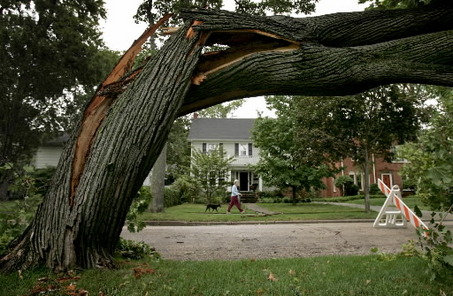 If a tree fell on the Charlotte-Mecklenburg Government Center, would it hit a majority of city councilmembers that have at least half of a brain?
The answer wasn’t easy to come by Monday night, as the council with an 8-3 vote approved changes to the city’s tree ordinance without knowing for certain what adverse impacts the revisions could have on the costs of building affordable housing and other commercial developments.
At the same time, the council unanimously voted to have its Housing and Neighborhood Development (HAND) committee study how the new tree ordinance that councilmembers had just approved would impact the overarching issue of affordable housing. Go figure.
The new measures include nearly two-dozen tweaks to the city’s existing tree ordinance, which was last updated in 2002, and have been studied to death in committees and by stakeholder groups for five years. The revisions are designed to mitigate future loss of Charlotte’s tree canopy, which has dwindled over the last decade but still is currently within the range recommended for an urban ecosystem, as ranked by American Forests, a nonprofit conservation group that studied Charlotte-Mecklenburg’s tree canopy.
“It makes good economic sense to look at our greatest asset, our trees,” said Councilmember Nancy Carter, a Democrat who voted for the new ordinance, referencing a recent article from The Economist magazine titled, “The world’s lungs,” which Carter explained are trees.
“The one sentence I’d like to quote to you here is, ‘Clearing forests may enrich those who are doing it, but over the long run it impoverishes the planet as a whole,’” she said.
“Even in affordable housing, keeping the trees there, replanting, refurbishing, adds to the value of the property, the appeal of the property, particularly when we are known as the eighth most-vacant apartment setting in the nation,” Carter said. “When we have trees, those apartments will be filled; they will be welcoming.”
In recent months, however, advocates for affordable housing, including representatives of Habitat for Humanity and the Affordable Charlotte Cabinet, have expressed growing concern that the revised, more aggressive tree-save regulations would drive up the cost of building affordable housing and increase rent prices for the same.
Out of the dozens of revisions approved by council, three drew the most attention and concern: increasing the amount of trees saved on commercial development, to include market-rate and subsidized multi-family apartment complexes, from 10 to 15 percent; decreasing the space between trees from 60 to 40 feet in parking lots; and requiring new tree plantings if a business owner makes any façade changes greater than 10 percent to existing buildings.
In some cases, developers can make payments into a tree-planting fund, in lieu of planting or saving a set percentage of trees as part of commercial development projects.
Councilmembers Warren Cooksey and Andy Dulin, Republicans, along with Democrat Warren Turner voted against the new tree ordinance, which takes effect in January.
“I don’t know how we’re ever going to find our self as a successful city trying to close that gap with affordable housing, with the demand we know we face every day, putting these kinds of ordinances in place,” Turner said. “I think you defeat the purpose and limit where you can do it at.”
In voting against the ordinance, Turner and Dulin both referenced the redevelopment of affordable housing at Piedmont Courts, where a majority of trees had been cleared to help mitigate costs and increase the number of units that could be built.
“In some case, we’re not sure if this is going to make it more expensive,” Dulin said of the new ordinance and its impact on affordable housing costs.
1 2
 We need your help! If you like PunditHouse, please consider donating to us. Even $5 a month can make a difference!
Short URL: https://pundithouse.com/?p=3621
